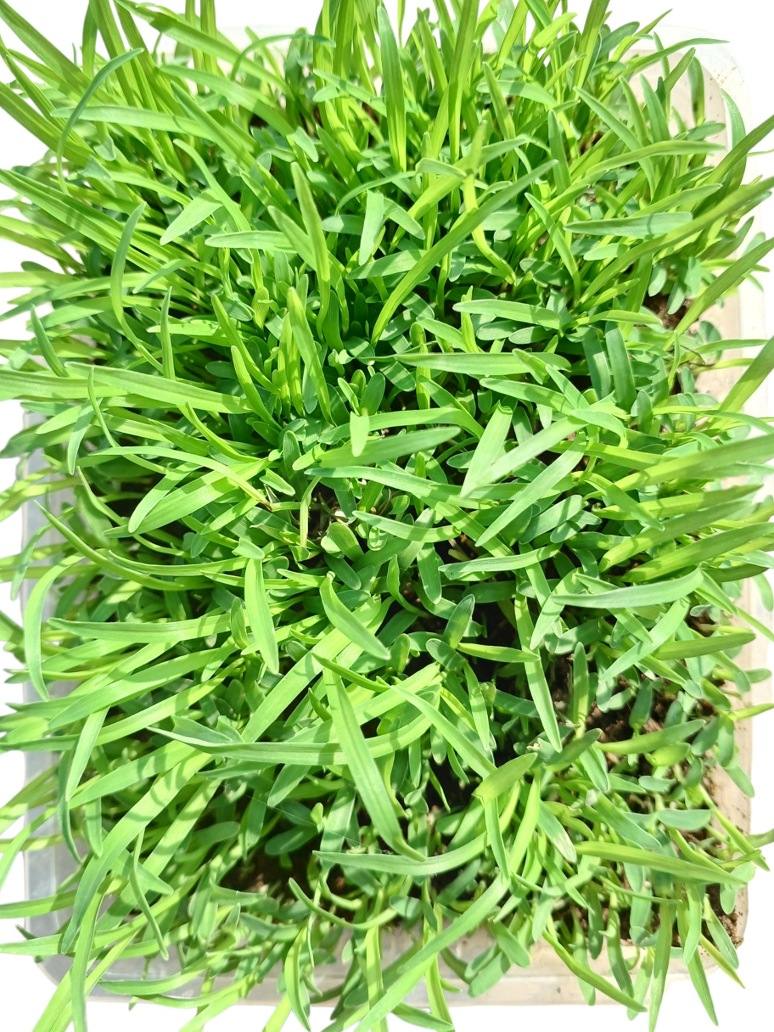
Ragi Desi - Madua- Microgeen Open Pollination Seeds
Seed quantity- 50gram
What is Ragi? |
- Ragi (Finger Millet) is one of the most nutritious and widely cultivated millet crops in India. Known scientifically as Eleusine coracana, this ancient cereal grain is valued for its exceptional nutritional profile, drought tolerance, and easy cultivation. Ragi is rich in calcium, dietary fiber, iron, protein, essential amino acids, antioxidants, vitamins, and minerals, making it a preferred food for children, adults, senior citizens, athletes, and people looking for healthy eating options.
- Today, Ragi seeds, Finger Millet seeds, and organic millet farming are gaining popularity among farmers, home gardeners, terrace gardeners, kitchen gardeners, and commercial agriculture because the crop requires relatively less water, adapts well to different climatic conditions, and provides excellent yields.
Scientific Classification
- Scientific Name: Eleusine coracana
- Common Name: Finger Millet
- Family: Poaceae
- Plant Type: Annual Cereal Crop
- Crop Category: Millet
- Origin: Africa
- Main Growing Countries: India, Nepal, Sri Lanka, Uganda, Ethiopia
Different Names of Ragi in India
Language. Name
English. Finger Millet
Hindi. Ragi, Mandua
Sanskrit. Rajika
Kannada. Ragi
Tamil. Kezhvaragu
Telugu. Ragulu
Malayalam. Koovaragu
Marathi. Nachni
Gujarati. Nagli
Punjabi. Mandal
Bengali. Marua
Odia. Mandia
Assamese. Marua
Nepali. Kodo
Why is Ragi Becoming Popular?
- High calcium content
- Gluten-free grain
- Rich in fiber
- Excellent for diabetic diet
- Helps weight management
- Suitable for organic farming
- Requires less water
- Grows well in poor soils
- Climate-resilient crop
- Increasing global demand
Health Benefits of Ragi
1. Rich Source of Calcium
- Ragi contains one of the highest natural calcium levels among cereals, supporting stronger bones and teeth.
2. Good for Diabetes
- Its low glycemic index helps manage blood sugar levels.
3. Helps Weight Loss
- High dietary fiber promotes fullness and reduces overeating.
4. Improves Digestion
- Fiber supports healthy bowel movements and gut health.
5.Rich in Iron
- Regular consumption may help improve iron intake.
6. Supports Heart Health
- Contains antioxidants and fiber that support cardiovascular health.
7. Gluten-Free Grain
- Suitable for people with gluten intolerance.
8. Good for Babies
- Often used in homemade baby food due to its nutritional profile.
9. Supports Pregnancy Nutrition 10. Boosts Energy
Provides calcium and iron, important nutrients during pregnancy (as part of a balanced diet).
10. Boosts Energy. 10.Culinary Uses Of Ragi
Complex carbohydrates provide sustained energy release.
Culinary Uses Of Ragi
- Ragi Flour
- Ragi Roti
- Ragi Dosa
- Ragi Idli
- Ragi Mudde
- Ragi Cookies
- Ragi Bread
- Ragi Cake
- Ragi Malt
- Ragi Porridge
- Ragi Pancakes
- Ragi Biscuits
- Ragi Noodles
- Ragi Pasta
- Ragi Ladoo
- Ragi Halwa
- Ragi Khichdi
- Ragi Upma
- Ragi Soup
- Ragi Energy Bars
Medicinal Uses
Traditionally and nutritionally, ragi is valued for:
- Bone health support
- Blood sugar management
- Digestive health
- Weight management
- Heart-friendly diet
- Iron-rich nutrition
- Child nutrition
- Elderly nutrition
- Sports nutrition
- General wellness
Climate Suitable for Growing Ragi
- Ragi grows best in:
- Tropical climate
- Subtropical climate
- Semi-arid regions
- Rainfed farming areas
- Moderate rainfall zones
- Ideal Temperature:
- 20°C–30°C
Best Soil for Ragi
- Red soil
- Sandy loam
- Loamy soil
- Well-drained soil
- Black soil (with good drainage)
- Ideal Soil pH: 5.5–7.5
Best Months to Sow Ragi Seeds in India
Region Sowing Months
- North India June–July
- South India May–August
- Central India June–July
- Eastern India June–July
- Western India June–July
- Hilly Areas April–June
How to Sow Ragi Seeds
- Prepare loose, weed-free soil.
- Add well-rotted compost or farmyard manure.
- Sow seeds 1–2 cm deep.
- Maintain 20–30 cm row spacing.
- Cover lightly with soil.
- Water gently after sowing.
- Keep soil moist until germination.
Germination Time
- 5–10 days
Plant Spacing
- Row spacing: 20–30 cm
- Plant spacing: 10–15 cm
Water Requirement
- Light irrigation after sowing
- Avoid waterlogging
- Irrigate during dry spells
- Reduce watering near harvest
Sunlight Requirement
- Full sunlight
- Minimum 6–8 hours daily.
Fertilizer Requirements:
- Organic options:
- Vermicompost
- Farmyard manure
- Compost
- Neem cake
- Bone meal
Seed quantity- 50gram
What is Ragi? |
- Ragi (Finger Millet) is one of the most nutritious and widely cultivated millet crops in India. Known scientifically as Eleusine coracana, this ancient cereal grain is valued for its exceptional nutritional profile, drought tolerance, and easy cultivation. Ragi is rich in calcium, dietary fiber, iron, protein, essential amino acids, antioxidants, vitamins, and minerals, making it a preferred food for children, adults, senior citizens, athletes, and people looking for healthy eating options.
- Today, Ragi seeds, Finger Millet seeds, and organic millet farming are gaining popularity among farmers, home gardeners, terrace gardeners, kitchen gardeners, and commercial agriculture because the crop requires relatively less water, adapts well to different climatic conditions, and provides excellent yields.
Scientific Classification
- Scientific Name: Eleusine coracana
- Common Name: Finger Millet
- Family: Poaceae
- Plant Type: Annual Cereal Crop
- Crop Category: Millet
- Origin: Africa
- Main Growing Countries: India, Nepal, Sri Lanka, Uganda, Ethiopia
Different Names of Ragi in India
Language. Name
English. Finger Millet
Hindi. Ragi, Mandua
Sanskrit. Rajika
Kannada. Ragi
Tamil. Kezhvaragu
Telugu. Ragulu
Malayalam. Koovaragu
Marathi. Nachni
Gujarati. Nagli
Punjabi. Mandal
Bengali. Marua
Odia. Mandia
Assamese. Marua
Nepali. Kodo
Why is Ragi Becoming Popular?
- High calcium content
- Gluten-free grain
- Rich in fiber
- Excellent for diabetic diet
- Helps weight management
- Suitable for organic farming
- Requires less water
- Grows well in poor soils
- Climate-resilient crop
- Increasing global demand
Health Benefits of Ragi
1. Rich Source of Calcium
- Ragi contains one of the highest natural calcium levels among cereals, supporting stronger bones and teeth.
2. Good for Diabetes
- Its low glycemic index helps manage blood sugar levels.
3. Helps Weight Loss
- High dietary fiber promotes fullness and reduces overeating.
4. Improves Digestion
- Fiber supports healthy bowel movements and gut health.
5.Rich in Iron
- Regular consumption may help improve iron intake.
6. Supports Heart Health
- Contains antioxidants and fiber that support cardiovascular health.
7. Gluten-Free Grain
- Suitable for people with gluten intolerance.
8. Good for Babies
- Often used in homemade baby food due to its nutritional profile.
9. Supports Pregnancy Nutrition 10. Boosts Energy
Provides calcium and iron, important nutrients during pregnancy (as part of a balanced diet).
10. Boosts Energy. 10.Culinary Uses Of Ragi
Complex carbohydrates provide sustained energy release.
Culinary Uses Of Ragi
- Ragi Flour
- Ragi Roti
- Ragi Dosa
- Ragi Idli
- Ragi Mudde
- Ragi Cookies
- Ragi Bread
- Ragi Cake
- Ragi Malt
- Ragi Porridge
- Ragi Pancakes
- Ragi Biscuits
- Ragi Noodles
- Ragi Pasta
- Ragi Ladoo
- Ragi Halwa
- Ragi Khichdi
- Ragi Upma
- Ragi Soup
- Ragi Energy Bars
Medicinal Uses
Traditionally and nutritionally, ragi is valued for:
- Bone health support
- Blood sugar management
- Digestive health
- Weight management
- Heart-friendly diet
- Iron-rich nutrition
- Child nutrition
- Elderly nutrition
- Sports nutrition
- General wellness
Climate Suitable for Growing Ragi
- Ragi grows best in:
- Tropical climate
- Subtropical climate
- Semi-arid regions
- Rainfed farming areas
- Moderate rainfall zones
- Ideal Temperature:
- 20°C–30°C
Best Soil for Ragi
- Red soil
- Sandy loam
- Loamy soil
- Well-drained soil
- Black soil (with good drainage)
- Ideal Soil pH: 5.5–7.5
Best Months to Sow Ragi Seeds in India
Region Sowing Months
- North India June–July
- South India May–August
- Central India June–July
- Eastern India June–July
- Western India June–July
- Hilly Areas April–June
How to Sow Ragi Seeds
- Prepare loose, weed-free soil.
- Add well-rotted compost or farmyard manure.
- Sow seeds 1–2 cm deep.
- Maintain 20–30 cm row spacing.
- Cover lightly with soil.
- Water gently after sowing.
- Keep soil moist until germination.
Germination Time
- 5–10 days
Plant Spacing
- Row spacing: 20–30 cm
- Plant spacing: 10–15 cm
Water Requirement
- Light irrigation after sowing
- Avoid waterlogging
- Irrigate during dry spells
- Reduce watering near harvest
Sunlight Requirement
- Full sunlight
- Minimum 6–8 hours daily.
Fertilizer Requirements:
- Organic options:
- Vermicompost
- Farmyard manure
- Compost
- Neem cake
- Bone meal
Original: $79.00
-65%$79.00
$27.65Description
Seed quantity- 50gram
What is Ragi? |
- Ragi (Finger Millet) is one of the most nutritious and widely cultivated millet crops in India. Known scientifically as Eleusine coracana, this ancient cereal grain is valued for its exceptional nutritional profile, drought tolerance, and easy cultivation. Ragi is rich in calcium, dietary fiber, iron, protein, essential amino acids, antioxidants, vitamins, and minerals, making it a preferred food for children, adults, senior citizens, athletes, and people looking for healthy eating options.
- Today, Ragi seeds, Finger Millet seeds, and organic millet farming are gaining popularity among farmers, home gardeners, terrace gardeners, kitchen gardeners, and commercial agriculture because the crop requires relatively less water, adapts well to different climatic conditions, and provides excellent yields.
Scientific Classification
- Scientific Name: Eleusine coracana
- Common Name: Finger Millet
- Family: Poaceae
- Plant Type: Annual Cereal Crop
- Crop Category: Millet
- Origin: Africa
- Main Growing Countries: India, Nepal, Sri Lanka, Uganda, Ethiopia
Different Names of Ragi in India
Language. Name
English. Finger Millet
Hindi. Ragi, Mandua
Sanskrit. Rajika
Kannada. Ragi
Tamil. Kezhvaragu
Telugu. Ragulu
Malayalam. Koovaragu
Marathi. Nachni
Gujarati. Nagli
Punjabi. Mandal
Bengali. Marua
Odia. Mandia
Assamese. Marua
Nepali. Kodo
Why is Ragi Becoming Popular?
- High calcium content
- Gluten-free grain
- Rich in fiber
- Excellent for diabetic diet
- Helps weight management
- Suitable for organic farming
- Requires less water
- Grows well in poor soils
- Climate-resilient crop
- Increasing global demand
Health Benefits of Ragi
1. Rich Source of Calcium
- Ragi contains one of the highest natural calcium levels among cereals, supporting stronger bones and teeth.
2. Good for Diabetes
- Its low glycemic index helps manage blood sugar levels.
3. Helps Weight Loss
- High dietary fiber promotes fullness and reduces overeating.
4. Improves Digestion
- Fiber supports healthy bowel movements and gut health.
5.Rich in Iron
- Regular consumption may help improve iron intake.
6. Supports Heart Health
- Contains antioxidants and fiber that support cardiovascular health.
7. Gluten-Free Grain
- Suitable for people with gluten intolerance.
8. Good for Babies
- Often used in homemade baby food due to its nutritional profile.
9. Supports Pregnancy Nutrition 10. Boosts Energy
Provides calcium and iron, important nutrients during pregnancy (as part of a balanced diet).
10. Boosts Energy. 10.Culinary Uses Of Ragi
Complex carbohydrates provide sustained energy release.
Culinary Uses Of Ragi
- Ragi Flour
- Ragi Roti
- Ragi Dosa
- Ragi Idli
- Ragi Mudde
- Ragi Cookies
- Ragi Bread
- Ragi Cake
- Ragi Malt
- Ragi Porridge
- Ragi Pancakes
- Ragi Biscuits
- Ragi Noodles
- Ragi Pasta
- Ragi Ladoo
- Ragi Halwa
- Ragi Khichdi
- Ragi Upma
- Ragi Soup
- Ragi Energy Bars
Medicinal Uses
Traditionally and nutritionally, ragi is valued for:
- Bone health support
- Blood sugar management
- Digestive health
- Weight management
- Heart-friendly diet
- Iron-rich nutrition
- Child nutrition
- Elderly nutrition
- Sports nutrition
- General wellness
Climate Suitable for Growing Ragi
- Ragi grows best in:
- Tropical climate
- Subtropical climate
- Semi-arid regions
- Rainfed farming areas
- Moderate rainfall zones
- Ideal Temperature:
- 20°C–30°C
Best Soil for Ragi
- Red soil
- Sandy loam
- Loamy soil
- Well-drained soil
- Black soil (with good drainage)
- Ideal Soil pH: 5.5–7.5
Best Months to Sow Ragi Seeds in India
Region Sowing Months
- North India June–July
- South India May–August
- Central India June–July
- Eastern India June–July
- Western India June–July
- Hilly Areas April–June
How to Sow Ragi Seeds
- Prepare loose, weed-free soil.
- Add well-rotted compost or farmyard manure.
- Sow seeds 1–2 cm deep.
- Maintain 20–30 cm row spacing.
- Cover lightly with soil.
- Water gently after sowing.
- Keep soil moist until germination.
Germination Time
- 5–10 days
Plant Spacing
- Row spacing: 20–30 cm
- Plant spacing: 10–15 cm
Water Requirement
- Light irrigation after sowing
- Avoid waterlogging
- Irrigate during dry spells
- Reduce watering near harvest
Sunlight Requirement
- Full sunlight
- Minimum 6–8 hours daily.
Fertilizer Requirements:
- Organic options:
- Vermicompost
- Farmyard manure
- Compost
- Neem cake
- Bone meal